
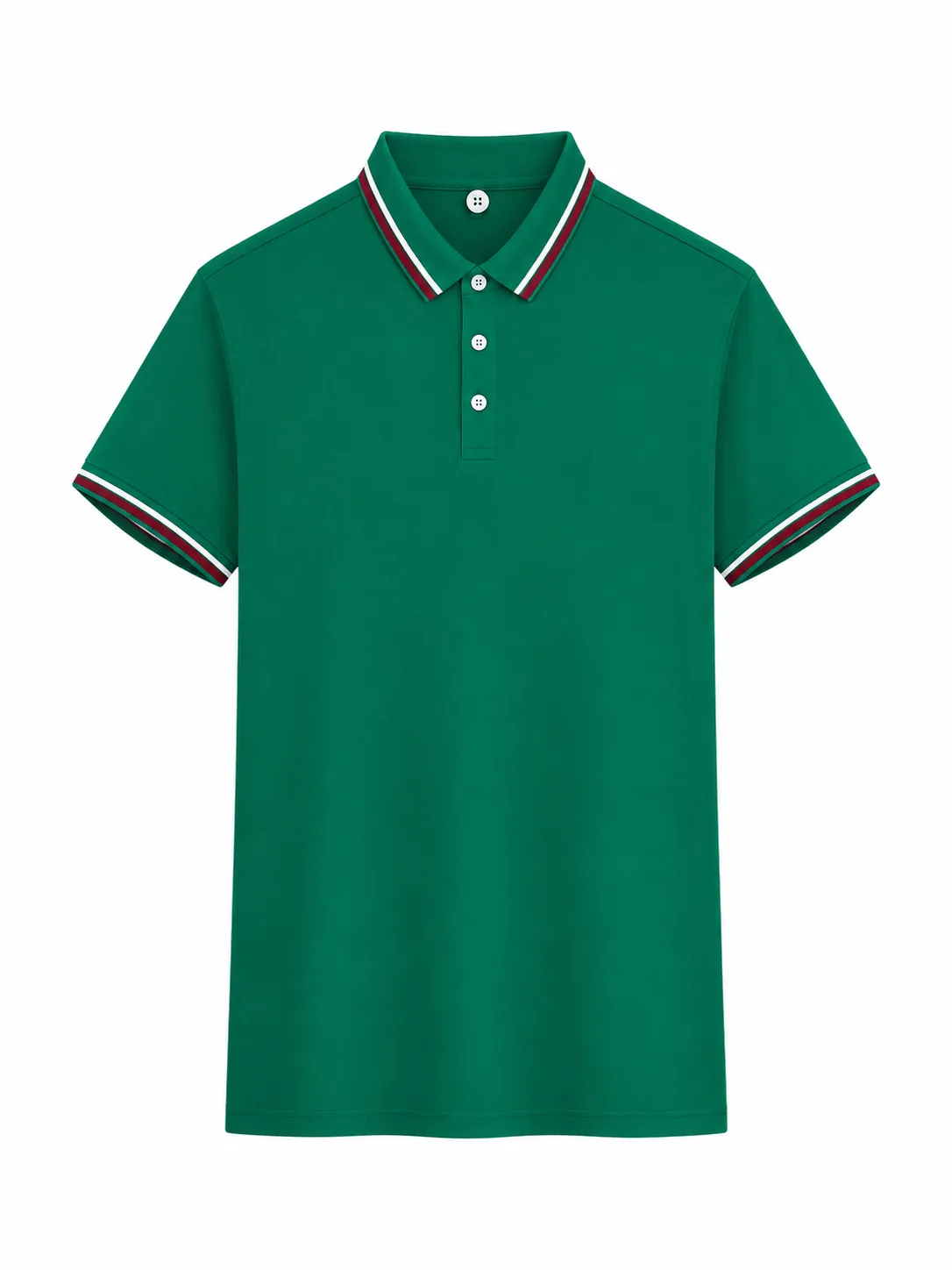
A corporate polo is often judged from a distance, but purchasing decisions benefit from a closer look. The collar, button opening and sleeve finish create much of the garment’s character. These details also influence where a logo sits and how the shirt works with other uniform pieces. A useful comparison goes beyond choosing a color or finding a familiar size label. It asks whether the construction supports the appearance and use your team actually needs.
This guide explains a practical way to evaluate visible details without assuming one design is best for every order. Use it alongside the specification and size chart for your selected style. YUNFAN’s polo range includes different collar and mesh options, so photographs are a starting point for discussion rather than a substitute for confirming the chosen garment.
Begin with the uniform setting
Before comparing collars, describe who will wear the shirt. A reception team may want a quiet, coordinated appearance. An exhibition crew may need stronger color recognition. A service team may spend much of the day moving or reaching. Those situations suggest different priorities, even when the company logo is identical. Write down the intended setting, other pieces worn with the polo and the level of formality you want.
Separate requirements from preferences. A specified brand color may be essential, while a contrasting cuff may simply be attractive. This distinction prevents an appealing detail from displacing a more important requirement such as available sizing. It also helps a supplier suggest a practical alternative when the first choice cannot meet every part of the brief.
Understand what a collar photograph can show
A clear front image can reveal collar shape, contrast tipping and the relationship between the collar and button opening. It cannot establish exactly how the collar will sit on every wearer. Styling, garment size, folding and camera angle all influence the image. Compare photographs made in a similar position where possible, then examine a physical sample if collar appearance is important.
Look at the point length, visible edge finish and how the collar joins the body. Ask whether the pictured collar is standard for the selected style. Do not assume that a trim shown on one color applies to every colorway. A short written confirmation can prevent confusion when a catalogue includes several related designs.
Choose a quiet or contrasting neckline
A collar close to the body color provides a restrained base for a logo. Contrast tipping introduces a second visual element and can connect a polo with a wider brand palette. Neither approach guarantees a more professional result. The appropriate choice depends on the logo, workplace and surrounding garments. A busy emblem may benefit from a simpler neckline, while a small wordmark can sit beside a defined trim.
Consider whether the trim color appears elsewhere in the uniform. It might connect with trousers, an apron or a jacket detail. If it does not, decide whether the contrast is intentional. Review the whole outfit rather than treating the collar as an isolated decoration. Keep a photograph of the accepted combination with the style reference.
Examine the placket as a design area
The placket is the opening carrying the buttons. Its length, width and finish affect the upper chest appearance. Compare whether the opening lies flat, buttons align and surrounding fabric looks smooth on the sample. A folded product image may hide details that become clearer when the shirt is worn or placed flat without styling clips.
Button count is a visual detail, but should not become the only comparison point. Ask how the opening relates to the intended fit and decoration position. If your team has a neckline preference, show a clear reference and identify what you like about it. Describing the detail is more useful than saying one shirt looks more premium.
Consider cuff and sleeve finishes together
A tipped cuff can echo the collar, creating a coordinated frame. A simpler sleeve finish gives a quieter appearance. Compare sleeve length, opening and finish on the relevant size. These characteristics can change how the shirt looks when arms move, particularly in active roles. Do not judge comfort from a close-up image alone.
If a sleeve logo is planned, examine the available area above the cuff. Artwork needs enough space to remain readable without being crowded against a seam or trim. Ask for placement to be reviewed on the selected garment. A position working on one sleeve construction may not translate directly to another, especially if the design includes additional text.
Place the logo within the garment’s lines
The collar, placket and sleeve trim already direct attention. A logo should work with those lines rather than compete with them. Review a scaled layout showing the proposed artwork width and its relationship to nearby features. Do not approve a chest placement solely because it looks balanced on a generic blank-shirt drawing. The actual polo can have a different opening or shoulder shape.
If a company logo and personal name are required, decide which should dominate. Keep visual space between them and the placket. Discuss whether the decoration method can reproduce the smallest details at the requested size before treating the layout as final. Record separate positions when the two elements are placed on opposite sides.
Review color relationships on real materials
White tipping against a dark polo may appear clear in a photograph, but digital previews are not exact fabric color references. Lighting, screens and camera processing change perceived shades. Where a color relationship matters, compare actual garment or trim references under consistent lighting. Ask which available garment color supports your intended result rather than demanding a match based only on a screen.
Record the approved product color name and trim description. If a logo uses a separate thread or print color, record that reference independently. Garment color and decoration color are not interchangeable specifications, even when they look similar in a mockup. This distinction is helpful when the approved combination needs to be communicated to another purchasing contact.
Include fit in the detail review
A collar and placket can look different when a garment is too tight or too loose for the wearer’s preference. Compare the size chart with a familiar well-fitting shirt. Distinguish flat chest width from circumference and confirm the measurement method before collecting employee sizes. A correctly interpreted chart supports a more useful visual assessment.
If the order covers a broad size range, discuss whether sample review should include more than one size. Do not infer that every detail scales identically across the range. Ask which measurements and tolerances guide the order, and keep the approved chart with the style record. A letter size alone is insufficient for comparing two different polo designs.
Turn observations into a sample checklist
Write a checklist another reviewer can use without relying on your memory. Include collar shape, trim colors, placket appearance, buttons, sleeve finish and logo position. Describe observations precisely. Identify an uneven edge in a photograph instead of saying the collar seems wrong. Add a ruler or other reference when dimensions are relevant, and label the affected area clearly.
Keep review focused on the selected style and agreed requirements. A sample does not promise features never specified. If the team requests a change, ask whether it is feasible and whether it affects quotation, minimum quantity or preparation schedule. Confirm the revised basis before approval. Separate a new preference from a discrepancy against an already agreed detail.
Prepare the comparison for purchasing approval
A simple comparison sheet can show each shortlisted style with confirmed fabric description, color options, sizes and decoration plan. Include a collar and placket photograph rather than only the complete garment. This helps colleagues understand why styles differ and which details matter to the brief. Keep the same information categories for each shortlisted option.
Record the decision and its reason. The approved choice might prioritize a restrained collar, a suitable size range or trim that works with existing garments. That explanation helps when someone requests a substitution or reorder. It also keeps purchasing discussions centered on original requirements instead of changing preferences, reducing the need to repeat the entire selection process.
Keep care expectations connected to the selection
Request the care instructions for the chosen garment and proposed decoration. If employees will use a particular washing routine, describe it before making the final choice. A collar selected for its appearance should also be reviewed within the care conditions actually recommended for that product. Do not infer laundering suitability from a photograph or an unrelated polo. Keep confirmed guidance with the uniform information so purchasing, supervisors and wearers receive a consistent explanation when the garments are distributed.
Questions to resolve before ordering
Can the chosen collar and cuff combination be supplied in the required colors? Does the artwork fit the proposed area? Which size chart applies to this exact style? Does the quotation include requested decoration and packaging? These questions are more useful than a general request for the best polo because they describe the actual project.
Send YUNFAN preferred style numbers, quantities, sizes, artwork and destination. Use the product pages to build a shortlist, then confirm relevant details through the inquiry process. A careful comparison of collars, plackets and trims gives your team a stronger starting point for a uniform that looks deliberate. Retain the approved references so later orders can be discussed using the same information.
Explore customization · View all products · Discuss your project