A business can have one brand and several different working environments. Reception staff, exhibition teams, warehouse coordinators and field representatives may need a recognizable appearance, yet their activities are not identical. A useful uniform plan respects those differences while retaining shared identity. Consistency does not require every employee to wear exactly the same garment in every situation or season.
This guide helps purchasing teams organize coordinated apparel across roles. It relies on clear briefs, practical comparisons and documented approvals. It does not assume that a standard polo or jacket provides specialized protection. Roles with particular safety requirements need a separate assessment and appropriate specification, rather than relying on the appearance of general corporate clothing.
Map roles before selecting products
List the groups in the project and describe their typical day. Note visitor interaction, movement, indoor work and time outside. Include seasonal differences and any need to wear other garments or equipment. These descriptions help distinguish real requirements from habits carried over from a previous order. A simple role matrix is often enough to begin the conversation.
Ask team representatives to check the description. Purchasing may not see every task employees perform. Consultation can reveal a need for movement or a group regularly wearing an outer layer over its polo. Use these observations to guide the shortlist instead of choosing only from a presentation image. Include who provided the feedback so questions can be resolved efficiently.
Establish a shared visual foundation
Choose a few elements that should stay consistent. They may include a core color, approved logo and general placement principle. Define them before adding department details. A stable foundation allows garment types to look related without identical construction. Discuss whether the intended impression is formal, approachable or event-focused, then assess proposed details against that direction.
Review the whole outfit. Trousers, aprons, jackets and badges change a uniform’s balance. If another item provides strong branding, a quieter polo may be sufficient. The goal is a coordinated appearance rather than using every available decoration area. A small set of references can show stakeholders how the different pieces work together in actual use.
Distinguish appearance from functional needs
A dark polo may look practical, but color does not establish performance in every environment. A padded jacket does not automatically provide a temperature rating or weather protection. Describe the needed function and ask for actual product information. Do not turn a visual preference into a technical assumption that nobody has assessed or agreed to supply.
For hazards or regulated protective clothing, involve the responsible specialist. General uniform selection cannot replace that assessment. Keep the apparel conversation focused on confirmed features appropriate to the project. If a requirement cannot be established from the available product details, identify it as unresolved instead of presenting a style name as evidence that the garment meets it.
Create a controlled shortlist
Select suitable polos and, where needed, outerwear. Record how each addresses the role brief. Compare collars, colors, fabric descriptions and sizing. A short documented comparison is easier to evaluate than a large folder of unrelated photographs. Include the practical reason an option appears on the list so stakeholders understand the selection criteria rather than only its visual appeal.
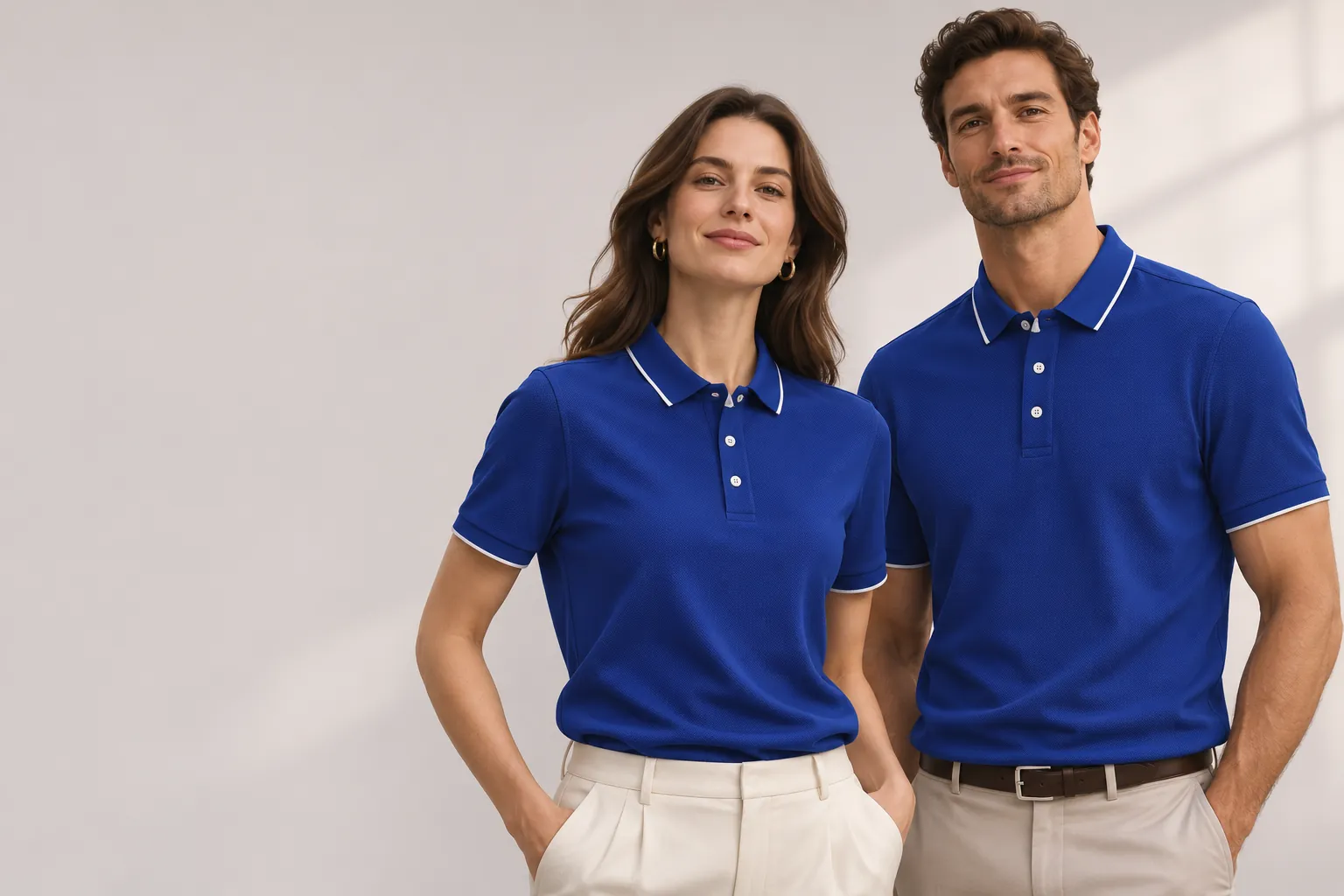
YUNFAN offers several mesh polo styles and a supplier winter jacket catalog. Check individual specifications instead of assuming one style represents every product. Mark unresolved requirements for confirmation. The comparison should make uncertainty visible, not fill gaps with information from another garment. Keep the selected style numbers attached to every relevant chart, image and inquiry.
Use color to connect teams
A common base color can coordinate teams wearing different products. Department distinctions may use a restrained accent or another approved element. Before giving every group a separate shirt color, consider whether the distinction helps visitors or merely increases purchasing combinations. The answer should come from how the uniform will be used, rather than from color variety alone.
Confirm desired colors for each style. A polo color name may not represent an identical outerwear shade. Where coordination matters, review actual references. Record the accepted relationship instead of assuming all navy garments match perfectly. If exact matching is not essential, make that clear too; it can help the supplier assess practical options without unnecessary ambiguity.
Plan decoration across garment types
A suitable polo logo position may differ from a jacket’s available area. Zips, seams, pockets and linings affect options. Review each garment separately while keeping a common hierarchy. A company logo can remain primary while department or personal names play a supporting role. Consider what remains visible when an outer layer covers the shirt underneath.
Provide a matrix connecting artwork version, placement and product. One generic mockup cannot approve every garment. Confirm feasibility for the actual style and decoration method. Store dimensions with the garment reference rather than only in a slide deck. This gives future reviewers a clear record when they need to add another size, color or department variation.
Collect sizes systematically
Give each group the chart for its selected product and explain measurements. Avoid using only heights or copying labels from unrelated garments. Employees can compare a familiar well-fitting item, but purchasing should clarify flat chest width versus circumference. Keep the chart reference in the size collection form so the final list can be connected to the correct product.
Collect jacket sizes separately from polos. Layering preferences and construction can affect choices. Use a table identifying role, style, color, size and quantity, then have representatives verify the consolidated breakdown. Review totals before requesting order confirmation. If a size remains unknown, identify it as provisional instead of choosing one silently to make the table appear complete.
Review samples with representative wearers
A review is more useful when participants reflect the intended roles and size range. Ask them to consider appearance and normal movement in the proposed garments. Keep activities appropriate to a sample review rather than presenting informal feedback as a certified performance test. Explain what the sample is intended to establish before collecting comments from the group.
Use a consistent checklist covering collar appearance, fit preference, sleeve movement and interaction with outer layers. Record specific observations instead of broad labels such as unsuitable without explanation. Purchasing can consolidate repeated concerns and distinguish them from individual preferences. This gives the supplier clearer information when discussing a change or comparing an alternative style.
Connect seasonal layers to the program
Consider how the uniform appears in cooler weather. A logo clear on a polo may be covered by a jacket. Decide whether outerwear needs decoration and whether colors work together. Review the combination rather than assuming two attractive individual products form a coordinated set. Include accessories already used by the organization where they affect the overall appearance.
Do not select winter garments solely from images suggesting warmth. Check stated construction and composition, then confirm requirements relevant to the team. Ask wearers to consider normal layers beneath the jacket when choosing sizes. Keep seasonal approvals connected to the same brand record as the polo program, including any accepted differences between product colors or logo positions.
Consolidate quantities and timing
Departments may submit requirements at different times. Set an internal deadline so purchasing can assemble one coherent inquiry. Include size and color quantities plus individual decoration variations. Explain what is final and what can change when approaching the supplier. A provisional request can still be useful if its status is explicit and its assumptions are recorded.
Share required arrival dates and destination early. Sampling, production preparation and transport are separate planning topics. Do not assume a quoted lead time includes every internal decision still outstanding. A clear handover from team representatives to purchasing reduces preventable revisions and makes it easier to understand which approvals must happen before the schedule can be confirmed.
Prepare for maintenance and reorders
Record approved styles and decoration so a future buyer can understand the program. Discuss how additional quantities will be quoted and confirmed. A manual style record is useful even when availability must be checked again. Keep the current version accessible rather than relying on a previous employee’s personal email history or a garment photographed without identification.
Collect feedback after garments have been used as intended. Separate consistent fit concerns from preferences and note changes in duties or conditions. This helps the next order address actual needs rather than automatically repeating the original brief. Limit employee information to what purchasing needs for the order, and consolidate it into a practical style and quantity breakdown.
Explain the choices when uniforms are distributed
Provide employees with the relevant size, care and replacement information rather than distributing garments without context. Explain which combinations belong to different duties or events, and who should receive questions about a fit concern. A clear internal explanation supports the same consistency that purchasing has worked to establish. It also gives future feedback a useful structure: employees can describe the role, style and situation instead of referring to an unidentified shirt or an outdated uniform version.
Build a concise project brief
For YUNFAN, summarize roles, preferred products, colors, quantities, sizes and branding. Explain which elements remain consistent and where teams need options. Attach relevant artwork and identify the person consolidating approvals. Include existing uniform references where they clarify the required relationship between garments rather than expecting the supplier to infer it from the company logo.
A uniform program works best when identity connects with the working day. The aim is a deliberate family of choices, not unnecessary complexity. Clear role descriptions, controlled options and a reliable approval record help purchasing and the supplier build that result together. Revisit the brief when roles or seasons change so the program stays useful as well as recognizable.
Explore customization · View all products · Discuss your project